Natural farming — often called ZBNF, zero-budget natural farming — has a passionate following and real state backing in South India. It promises to slash input costs and rebuild soil using on-farm resources. It is neither a miracle nor a myth; here is an honest look before you build a plan around it.
Natural farming (ZBNF): what it is and whether it works
Frequently asked questions
What is zero-budget natural farming?
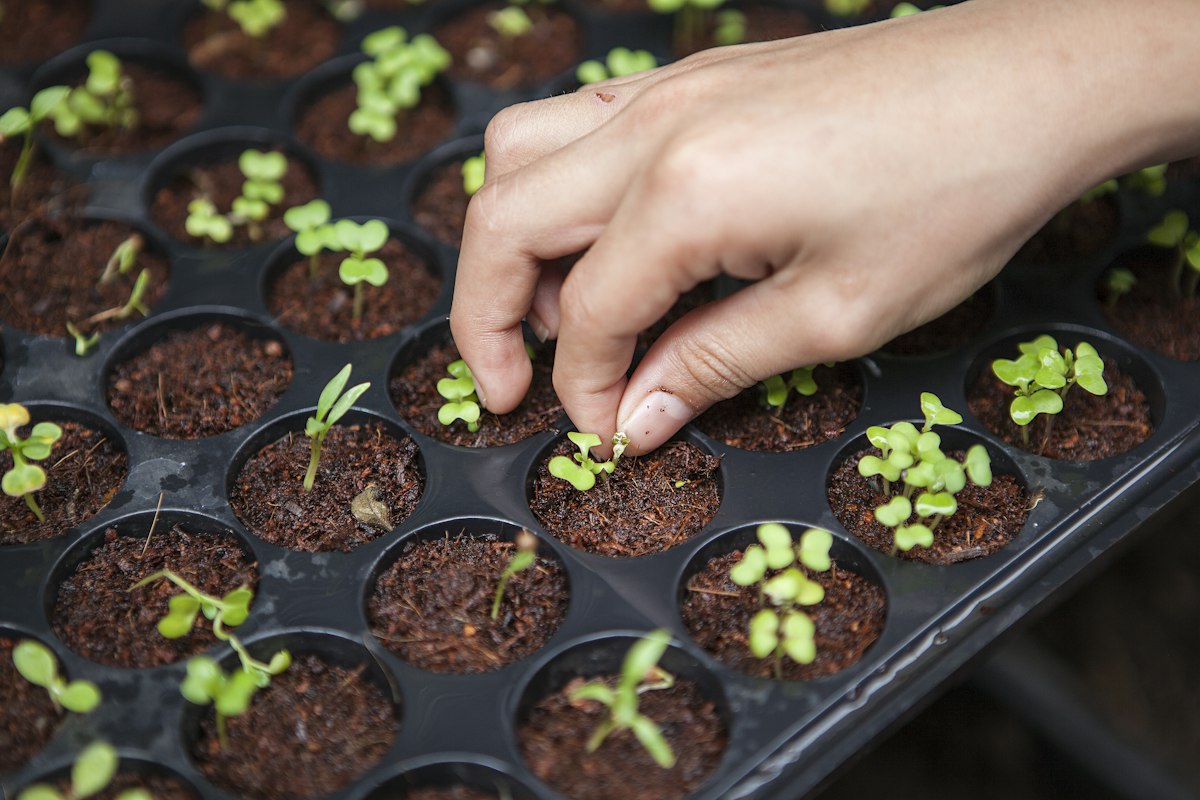
It is a method that replaces purchased chemical inputs with on-farm preparations, typically based on cow dung, cow urine and local biomass, alongside mulching, intercropping and minimal soil disturbance. The aim is near-zero external input cost with healthier, more resilient soil.
Does natural farming reduce yields?
It can vary. Results depend heavily on skill, soil and transition time, and some farmers see yield dips before gains as the soil rebuilds. It is labour and knowledge intensive, so zero budget does not mean zero effort.
Who does natural farming suit?
Hands-on, patient owners keen to learn, especially on smaller plots where cutting input costs materially improves the economics. It pairs well with organic ambitions and long-term soil health, and less well with a purely hands-off investment approach.
Ready to find verified land?
Browse verified landRelated land for sale
Explore these towns
Related guides
Soil health: the hidden driver of farmland value near Bangalore
Two plots side by side can differ 3x in yield because of soil. Here is how to read soil health before you buy farm land, and what it costs to fix.
Organic farming near Bangalore: certification, cost and premium
Organic can command real price premiums, but certification takes time and discipline. What the transition involves and whether it pays.