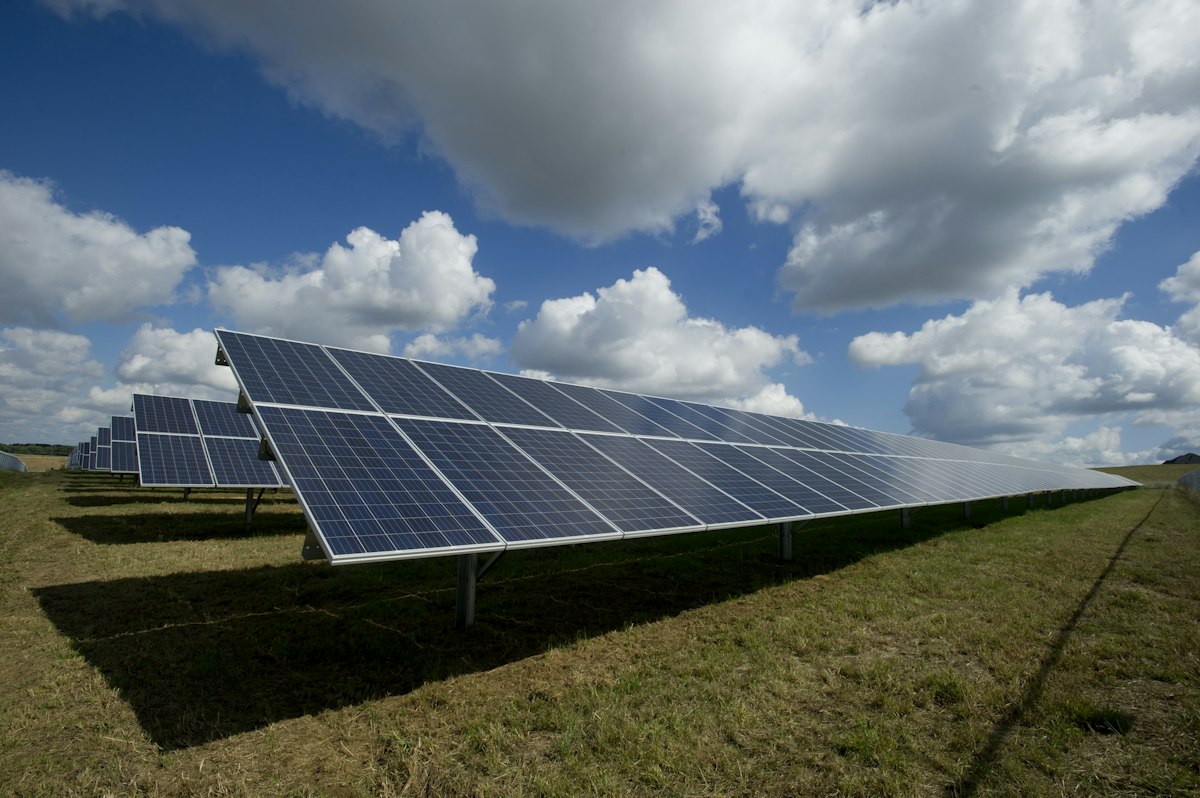
On most farms near Bangalore, the single biggest running cost is lifting water — running a borewell pump, often on unreliable grid power. Solar quietly rewrites that maths, turning a monthly bill into a one-time asset that lasts 20+ years.
Solar power for farms: cutting your biggest running cost
On this page
Frequently asked questions
How much does a solar pump system cost for a farm?
A system sized for a small farm borewell typically costs around 2-4 lakh installed, depending on pump horsepower and panel capacity. Payback against grid-plus-genset or diesel is often 4-6 years, after which the water is effectively free.
Are there subsidies for solar on farms?
Programs such as PM-KUSUM and various state and central subsidies may apply for solar pumps. Eligibility depends on your profile and the current scheme window, so our team helps you check and apply rather than guaranteeing an outcome.
What should I check before installing solar on farmland?
Confirm there is open, unshaded space near the borewell, match panel capacity to your pump horsepower to avoid undersizing, and budget a little for periodic panel cleaning and maintenance. Weak grid supply actually strengthens the case for solar.
Ready to find verified land?
Browse verified land